
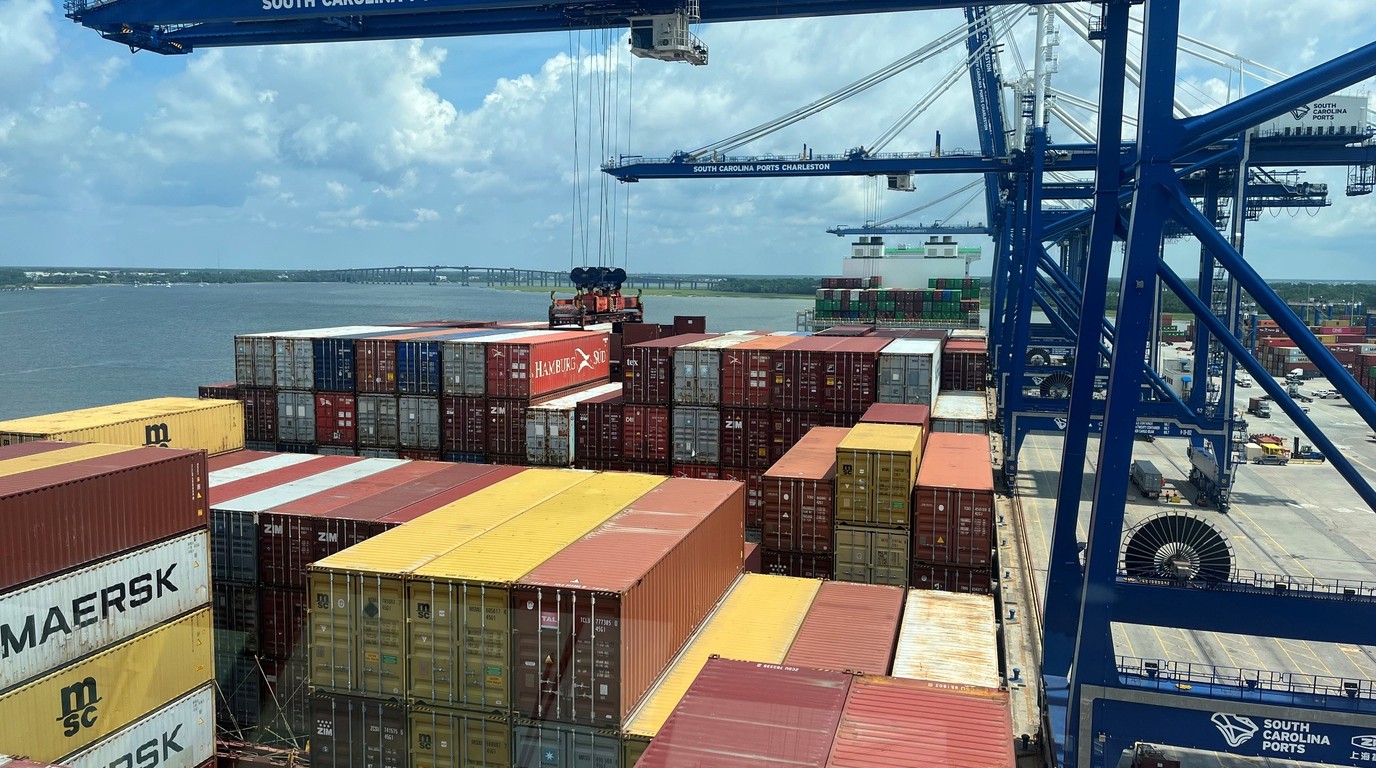
Most import managers default to full container loads because FCL is operationally simple: one vendor, one shipment, one delivery. It's an understandable choice, but the cost of that simplicity tends to show up somewhere other than the freight invoice. To justify filling a container, you order more product than you need or pull the order forward earlier than demand warrants, and that excess inventory sits in a warehouse.
"When you default to FCL without optimizing your order quantity, you're not optimizing freight. You're trading a freight cost for an inventory cost."
Industry benchmarks put inventory carrying costs at 20 to 30% of product value annually,¹ which means the freight efficiency you gained on the inbound leg gets quietly absorbed by the inventory you didn't need yet.
Switching to LCL doesn't automatically solve the problem. Shipping less than a full container adds handling steps, introduces co-loading risk for fragile products like wine, and comes with destination fees that often erode the apparent saving. Upfront storage costs at consolidation hubs can push the economics further still, particularly on high-value shipments. The break-even point between LCL and FCL shifts depending on destination charges, cargo density, and delivery timing. Neither option is inherently better.
"The real container optimization isn't choosing between FCL and LCL. It's having enough visibility into your inbound pipeline to make that decision deliberately — not by default."
What drives real savings is having enough visibility into your inbound pipeline to make the container decision deliberately rather than by habit. That means knowing what is on the water, what is clearing customs, and what is actually needed in each market before you place the next order. Importers who can see across their full inbound picture can consolidate across suppliers when the volumes align, hold back on FCL when LCL genuinely makes sense, and avoid the overstock cycle that makes the freight invoice look efficient while the rest of the numbers quietly disagree.
"The container optimization problem is, at its core, a visibility problem."
¹ Supply Chain Connect, "How On-Demand Manufacturing Impacts Inventory Carrying Costs"
² SeaFreightGo, "FCL vs LCL Shipping Cost: The 15 CBM Break-Even Decision Guide"